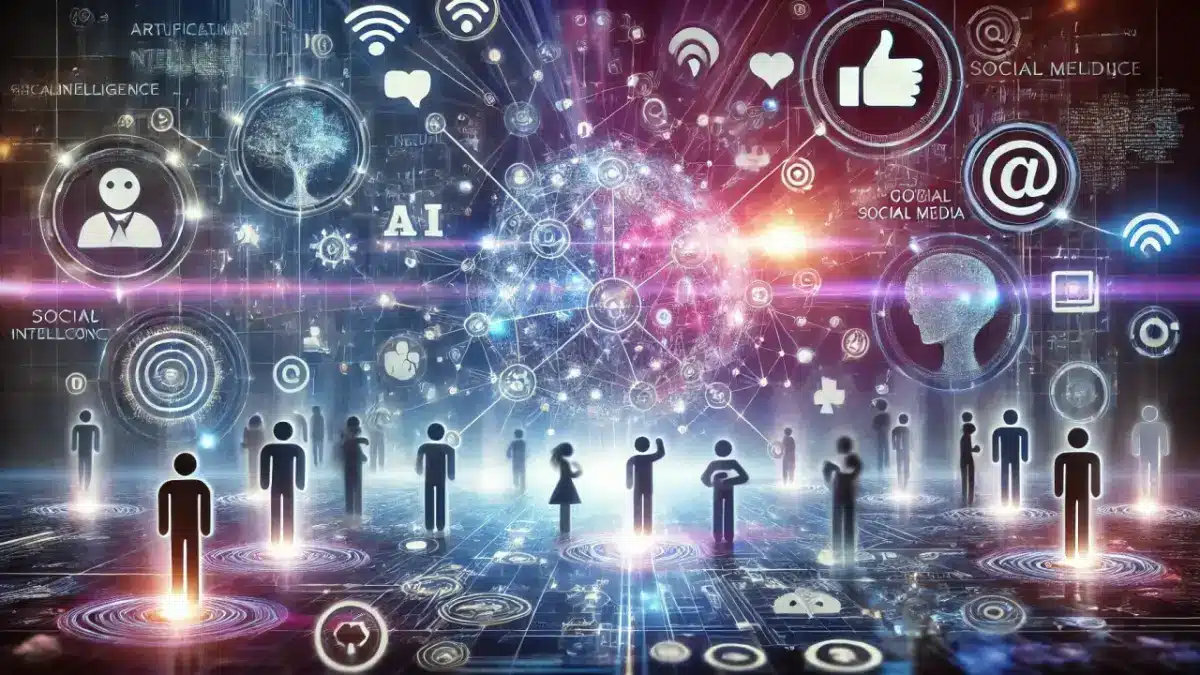
Artificial Intelligence (AI) is no longer a concept of the distant future — it is very much embedded in the present. Across industries, AI technologies are reshaping traditional workflows, automating complex tasks, and empowering individuals and businesses to achieve more with less effort. One of the most impactful areas where AI has taken hold is in content creation. Whether it’s generating text, voices, videos, or multimedia presentations, AI tools are changing how creators ideate, produce, and distribute content.
In this article, we will explore the evolution of AI content creation, the benefits it brings, the challenges it poses, and how platforms like Fliki (fliki.ai) are leading the charge in transforming creative workflows. We will dive deep into the technology, examine real‑world applications, and review the key features of AI content tools.
Table of Contents
What Is AI Content Creation?
Defining the Concept
AI content creation refers to the use of artificial intelligence systems to generate digital content. This includes:
- Written text (blogs, articles, scripts)
- Spoken audio (voiceovers, narration)
- Video content with audio and visuals
- Images and graphics
- Interactive media
Unlike traditional tools that require manual input for every step, AI content platforms use advanced machine learning models — especially large language models (LLMs) and generative algorithms — to produce output based on user prompts, templates, or datasets.
How It Works
Most AI content tools rely on components such as:
- Natural Language Processing (NLP) — to understand and generate coherent text
- Text‑to‑Speech (TTS) — to convert written text into realistic voice output
- Speech Synthesis — to mimic human speakers
- Automation Frameworks — to sequence steps like text generation followed by voice conversion and video assembly
The combination of these systems makes AI content creation faster, scalable, and accessible even to users without professional training.
Why AI Content Tools Matter Today
The Explosion of Digital Media
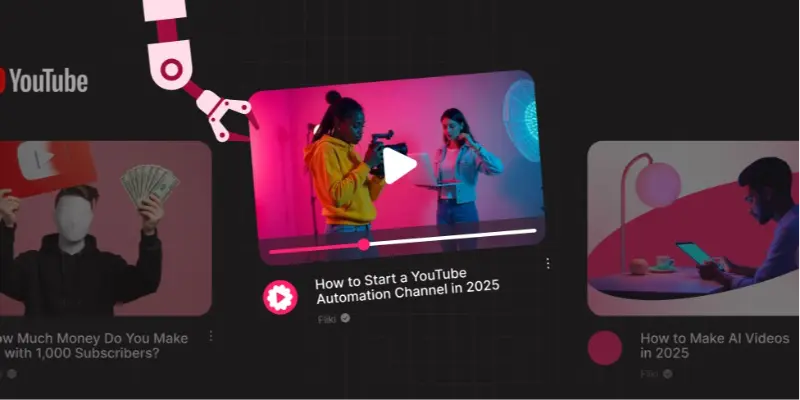
Every day, users around the world create and consume enormous volumes of digital content. Platforms like YouTube, TikTok, Instagram, blogs, and podcasts demand a constant stream of fresh material. For individuals, creators, and businesses alike, keeping up with this pace is a challenge.
AI tools help by:
- Reducing content production time
- Supporting multiple formats (text, audio, video)
- Lowering entry barriers for creators
Democratizing Creativity
In the past, producing professional‑quality audio or video often required expensive software, hardware, and specialized skills. AI content platforms democratize this process — meaning even beginners can create engaging projects without deep technical knowledge.
Key Areas AI Is Transforming in Content Creation
Blogging and Written Content
AI writing assistants can generate:
- Long‑form articles
- SEO‑optimized posts
- Product descriptions
- Social media captions
These tools help writers brainstorm ideas, refine drafts, and speed up the editorial process.
Audio and Podcast Production
AI voice generators produce realistic narration without hiring voice artists. This is a huge advantage for:
- Podcast hosts
- E‑learning creators
- Businesses producing audio ads
Video Creation and Editing
AI now assists with video editing, automated captioning, visual effects, and merging voiceovers with visuals — making multimedia content creation more efficient.
Introducing Fliki.ai: A Modern AI Content Platform
Among the growing ecosystem of AI content tools, Fliki has emerged as one of the most user‑friendly and versatile platforms.
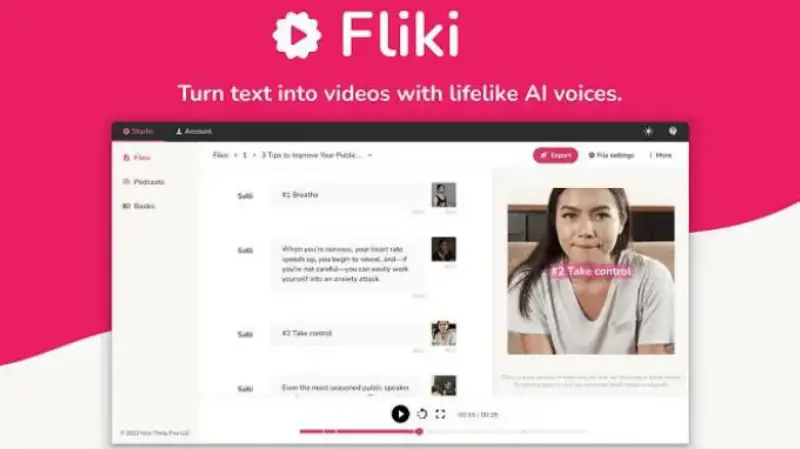
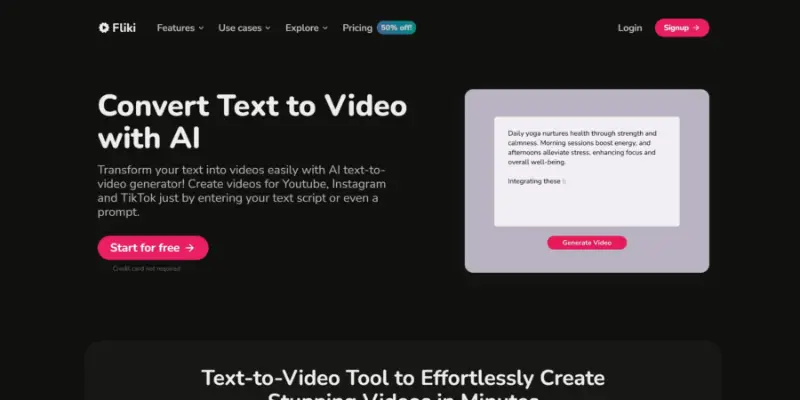
At its core, Fliki is an AI‑powered multimedia creation platform that allows users to transform written content into engaging videos and audio. It unifies several capabilities:
- Text‑to‑speech conversion with natural voices
- Customizable visual templates
- Script‑to‑video generation
- Audio editing features
Whether you want to make a short explainer video, record a podcast, create a narrated presentation, or publish content for social media, Fliki provides the tools you need in one place.
Fliki Features Breakdown
Natural Text‑to‑Speech (TTS)
One of Fliki’s standout features is its text‑to‑speech engine. Compared to many generic TTS tools, Fliki:
- Offers a variety of voice personas (different tones, accents, and languages)
- Produces audio that feels more human and less robotic
- Lets users adjust pace, pitch, and emphasis
This makes it ideal for creators who want professional‑sounding voiceovers without hiring voice talent.
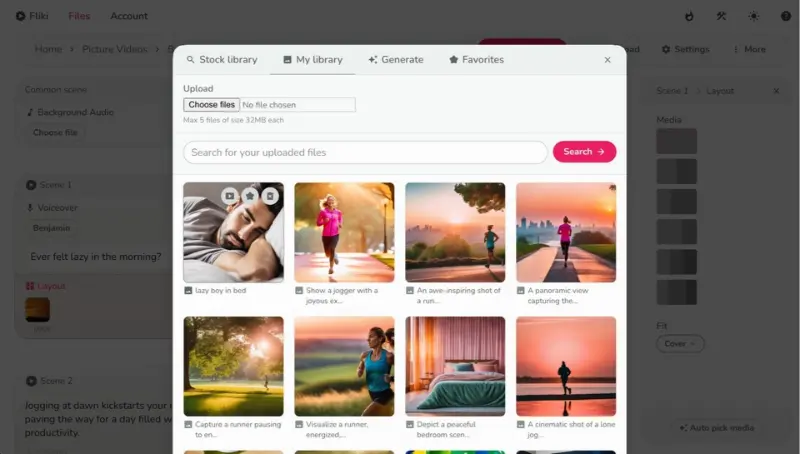
Script‑to‑Video Conversion
Fliki can take a script and automatically suggest scenes, visuals, and transitions — streamlining one of the most time‑consuming parts of video production. Users can:
- Import text or scripts
- Choose templates for different platforms (e.g., landscape for YouTube, vertical for TikTok)
- Edit scenes manually if desired
This feature is especially valuable for content marketers and educators who need engaging video content quickly.
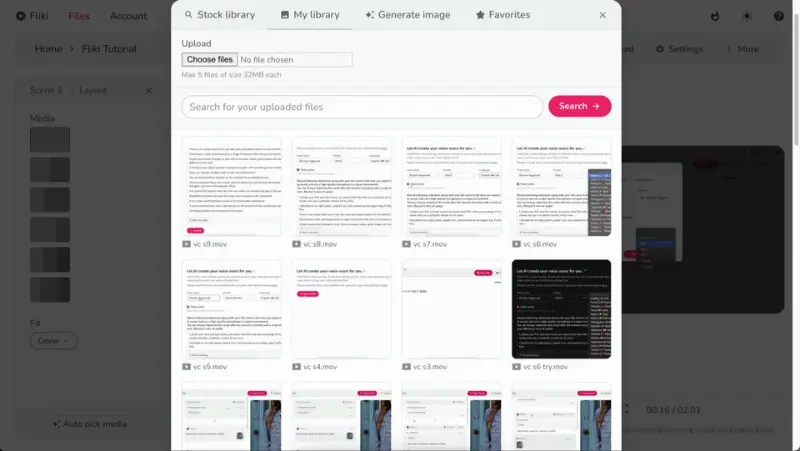
Visual Templates and Stock Assets
The platform includes a library of stock images, videos, and customizable visuals, so users don’t need to source assets from external tools.
Multilingual Support
Fliki supports many languages and voice options, making it suitable for global audiences.
Collaboration and Export Options
Fliki lets users export projects in various formats — video files, audio files, and downloadable assets ready for social media or publishing platforms.
How Fliki Fits Into the Modern Content Workflow

Solopreneurs and Individual Creators
Individuals often juggle the roles of writer, editor, voice actor, and publisher all at once. Fliki helps by:
- Combining multiple media tasks into one platform
- Allowing rapid iteration of ideas
- Saving time so creators can focus on message instead of mechanics
Small Businesses and Marketing Teams
Marketing teams use Fliki to:
- Generate narrated product videos
- Create promotional clips for social media
- Produce e‑learning modules for employee training
Educators and Course Creators
Teachers and online educators benefit from Fliki by converting lesson scripts into:
- Audio narrations for students
- Supplementary educational videos
- Multilingual content for diverse learners
Strengths of Fliki.ai
Ease of Use
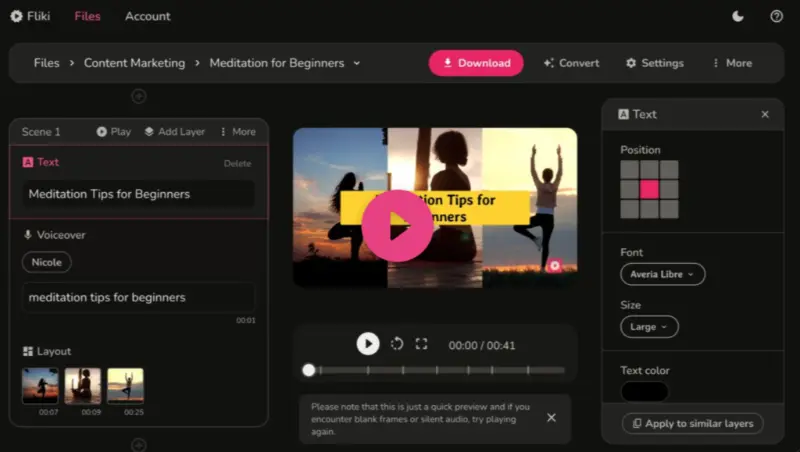
Fliki makes content creation intuitive even for beginners. The interface is clean, and the workflow guides users logically from script to final product.
Integrated Capabilities
Fliki combines text generation, voiceover, and video editing in one place — saving time and reducing complexity.
Voice Quality
Fliki’s AI voices are expressive and natural, suitable for explainer videos, tutorials, and professional presentations.
Template Galleries
Fliki’s templates offer a quick starting point and flexibility for various platforms and styles.
Language Support
Multilingual options help creators reach global audiences easily.
Real‑World Examples of Using AI Tools Like Fliki
A Content Creator’s Story
A creator named Sarah uses Fliki to:
- Write her script
- Generate realistic voiceovers
- Apply visuals and animations
- Publish content faster
This boosts her audience engagement and saves her several hours each week.
A Small Business Marketing Use Case
A local bakery uses Fliki to:
- Create weekly 30‑second product videos
- Add voice narration with promotional messages
- Post on TikTok and Instagram
The result: better online presence and customer engagement.
The Ethical and Creative Considerations of AI Content
Creativity and Human Input
AI supports — but doesn’t replace — human creativity. The best content is still rooted in human ideas and emotional connection.
Responsible Use
Creators must ensure their AI‑generated content is ethical, truthful, and respectful of copyright.
Skill Shifts
As AI handles technical tasks, human roles evolve to focus on storytelling, ideation, and strategy.
The Future of AI Content Creation
Looking ahead, we can expect developments in:
- Real‑time collaboration
- Even more natural AI voices
- Integration with virtual/augmented reality
- Personalized content creation
Platforms like Fliki will likely remain central to this transformation.
Conclusion
The growth of AI content tools marks a turning point in digital creativity. With platforms like Fliki, creators can efficiently convert text to professional audio and video — all with minimal learning curve.
While Fliki is not a full substitute for advanced editing suites, it delivers outstanding value, especially for individual creators, educators, and businesses looking for fast and high-quality content production. The platform reflects the power of AI to amplify creativity, simplify production, and make media creation more inclusive.